
With inflation hedge eating away at savings and currencies feeling less stable every day, many folks are turning to physical silver and other precious metals as a straightforward way to safeguard their wealth.
In this guide, you’ll learn how silver bars and silver coins fit into a solid protection strategy, from buying safely to safe storage with proper storage options like home safes, bank deposit boxes, or private vaults.
It’s practical info to help you make smart moves without the hype, including estate planning and storage security.
Why Physical Silver and Physical Gold Protect Wealth
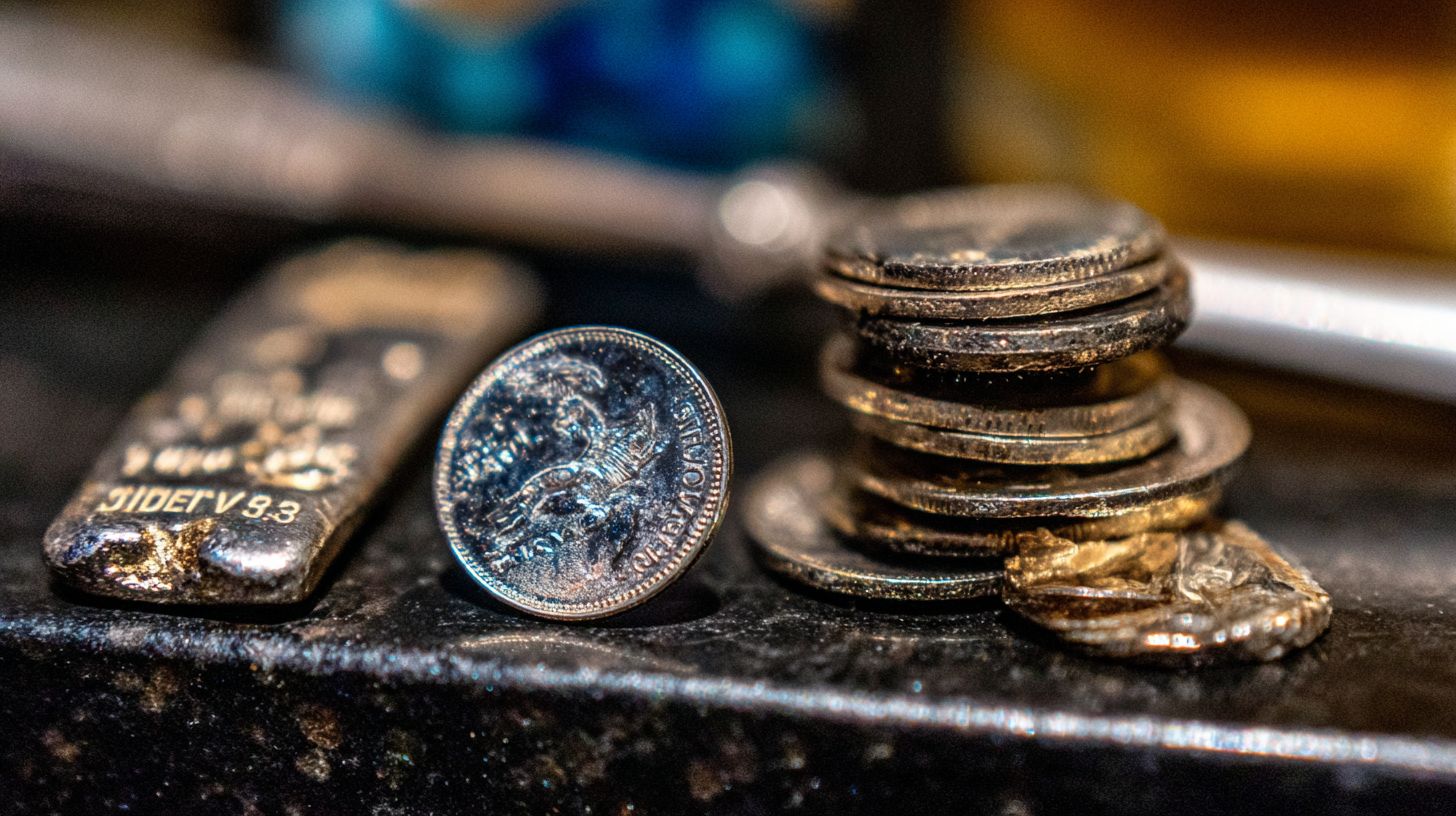
In uncertain economic times like the 2008 financial crisis, physical silver stands out as a tangible asset that investors turn to for long-term wealth preservation. Unlike digital assets or cryptocurrencies like Bitcoin and Ethereum, silver bars and silver coins offer direct ownership free from counterparty risk. This real ownership ensures you hold something of intrinsic value during market turmoil.
Silver serves as a safe haven when paper assets falter. Investors appreciate its high liquidity and affordable entry with low premiums and no fees compared to physical gold. For example, silver rounds provide easy liquidity with low premiums over the spot price.
Physical silver fits into portfolio diversification and investment portfolio strategies alongside gold silver and gold coins combinations. Experts recommend considering storage options like home safes or private vaults with vault storage, silver storage, climate control, segregated storage, and insurance coverage for security against theft risk. This approach supports wealth preservation over time.
From silver bullion to numismatic value pieces, silver’s versatility appeals to collectors and investors alike, unlike silver ETF. Its aesthetic appeal adds to long-term holding. Proper planning includes tarnish prevention and legal compliance for transport silver, with purchase premium considerations and buyback guarantee.
Key Physical Silver, DEIGOLDANDSILVERCOINS, and Santa Clara Investment Statistics from the World Gold Council and experts like Peter Schiff, including LBMA-approved facilities and bank safe deposit boxes near a Santa Clara estate lawyer.
#afd7uu84.bar-container { position: relative; overflow: visible!important; } #afd7uu84.bar-value { position: absolute!important; left: 50%!important; top: 50%!important; transform: translate(-50%, -50%)!important; color: white!important; font-weight: 700!important; font-size: 14px!important; white-space: nowrap!important; background: rgba(0, 0, 0, 0.7)!important; padding: 4px 12px!important; border-radius: 20px!important; z-index: 30!important; text-shadow: 0 1px 2px rgba(0, 0, 0, 0.3)!important; pointer-events: none!important; display: inline-block!important; } #afd7uu84.animated-bar { z-index: 1!important; } @media (max-width: 768px) { #afd7uu84 { padding: 16px!important; } #afd7uu84 h2 { font-size: 24px!important; } #afd7uu84 h4 { font-size: 16px!important; } #afd7uu84.bar-label { font-size: 12px!important; } #afd7uu84.metric-card { padding: 20px!important; } #afd7uu84.bar-value { font-size: 13px!important; padding: 3px 10px!important; } } @media (max-width: 480px) { #afd7uu84 { padding: 12px!important; } #afd7uu84 h2 { font-size: 20px!important; } #afd7uu84 h4 { font-size: 14px!important; } #afd7uu84.bar-label { font-size: 11px!important; margin-bottom: 6px!important; } #afd7uu84.bar-value { font-size: 12px!important; padding: 2px 8px!important; min-width: 45px!important; text-align: center!important; } #afd7uu84.bar-container { height: 36px!important; overflow: visible!important; } }
Key Physical Silver & Physical Gold Investment Statistics
Investment Volumes: Physical Investment Range (15 years) via LBMA-approved facilities
Investment Volumes: Cumulative Country Demand (2010-2024, Moz)
Country Product Breakdowns: Key Statistics from DEIGOLDANDSILVERCOINS
Performance Metrics: Year-to-Date Price Gains vs silver ETF ( Peter Schiff analysis)
(function() { setTimeout(function() { var bars = document.querySelectorAll(‘[class*=”animated-bar-afd7uu84″]’); bars.forEach(function(bar) { var width = bar.getAttribute(‘data-width’); if (width) { bar.style.width = width + ‘%’; } }); }, 100); })();
Key Physical Silver Investment Statistics illustrate trends in demand, country-specific preferences, and performance compared to other assets. Over the past 15 years, physical silver investment volumes fluctuated significantly, reaching a low of 157.2 Moz in 2017 and a high of 337.6 Moz in 2022, reflecting investor responses to economic uncertainty and inflation.
Cumulative country demand from 2010-2024 shows the US leading at 1500 Moz, driven by retail bullion demand, while India follows at 840 Moz, fueled by cultural affinity for silver in jewelry and investment. In India’s 2024 market, bars account for 70% of total retail demand, highlighting a preference for easily storable forms, whereas Germany’s market sees bullion coins dominating with an 80% share, appealing to collectors and investors valuing numismatic value.
- Performance Metrics: Year-to-date, silver has outperformed with 34% price gains, surpassing gold’s 28% and Bitcoin’s 18%, unlike silver ETF options, positioning it as a strong hedge against volatility.
These statistics underscore silver’s resilience and appeal as a tangible asset, with regional variations in product preferences offering strategic insights for investors navigating global markets.
Hedging Against Inflation
Physical silver has long served as a reliable inflation hedge, maintaining purchasing power when fiat currencies lose value. During periods of high inflation, its intrinsic value tends to rise as costs for goods increase. This makes silver bars and silver coins essential for protection.
Historical context shows silver performing well in inflationary environments. Investors turn to precious metals when money supply expands rapidly. For instance, silver bullion holds value better than cash savings over time.
To apply this, allocate a portion of your investment portfolio to precious metals for diversification, as advised by experts like Peter Schiff. Consider buying during dips in the spot price for low premiums. This strategy balances risk in your overall holdings.
Combine silver with safe storage solutions like climate control in LBMA-approved facilities. Insurance coverage protects against theft risk. Such steps ensure your hedge remains effective long-term.
Protection from Currency Devaluation
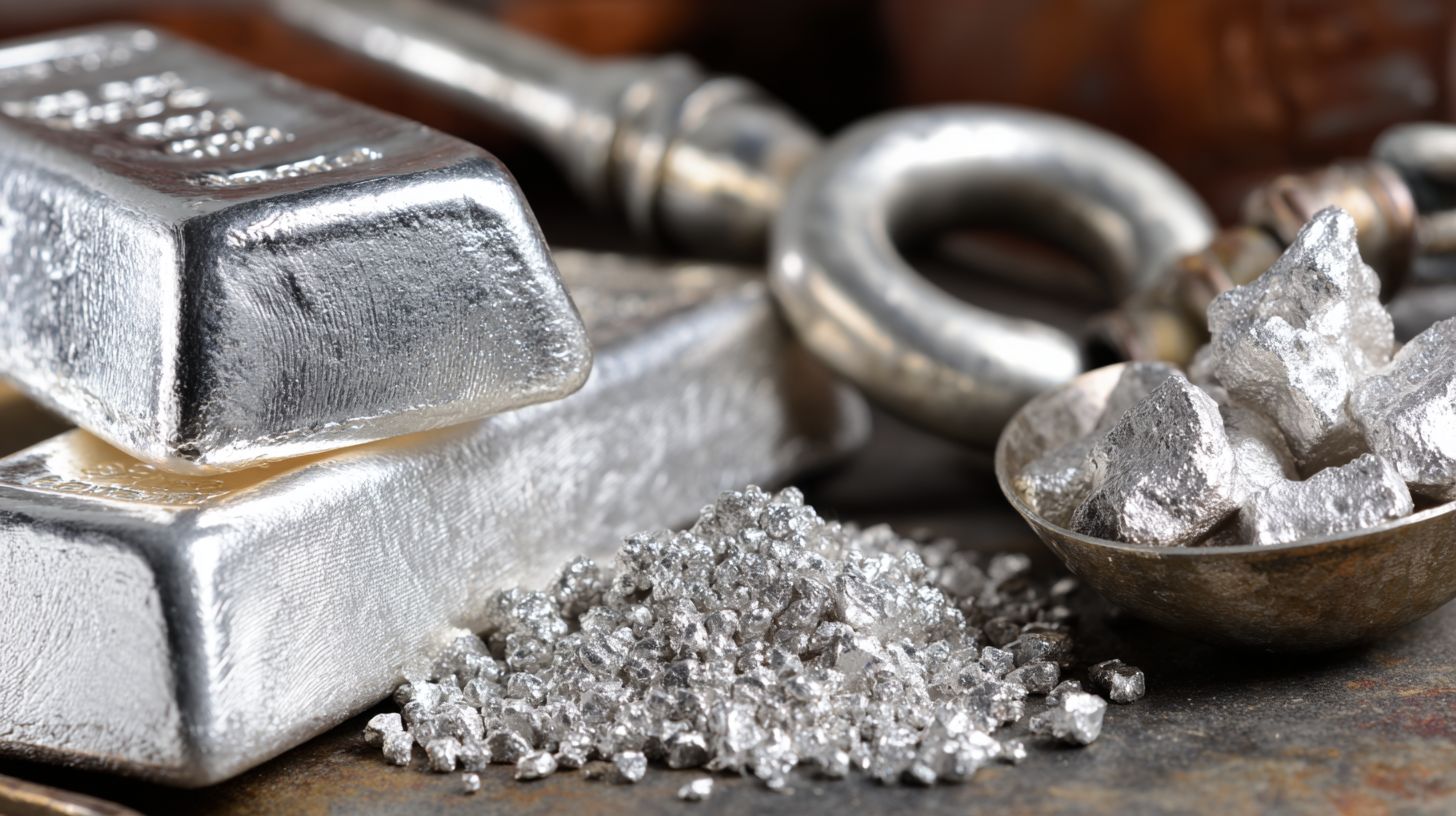
When governments print money excessively, currency devaluation erodes savings, but physical silver offers real ownership immune to such policies. Direct ownership of silver coins or bars avoids the pitfalls of paper assets. This tangible asset preserves wealth amid policy shifts.
Lessons from past crises, like 2008, highlight silver’s resilience. Financial systems faltered, yet physical silver provided stability through no fees and buyback guarantee options. Investors who held bullion fared better than those in devalued currencies.
Monitor currency policies for timely purchases of silver bullion. Watch for signs of excessive printing to buy ahead of devaluation. This proactive step secures your portfolio against erosion.
Opt for vault storage or bank deposit for storage security in estate planning with a Santa Clara estate lawyer. Private vaults offer segregated storage with insurance coverage. These measures minimize theft risk while ensuring easy liquidity.
Understanding Silver’s Value Drivers
Silver’s price reflects a unique blend of investment demand and industrial demand, making it responsive to both economic cycles and technological advancements.
Investors turn to physical silver like silver bars and silver coins during market turmoil as a safe haven and inflation hedge. This demand surges when trust in digital assets like Ethereum or cryptocurrencies wanes, favoring tangible assets with direct ownership.
Industrial uses provide a steady floor for prices, amplified by supply constraints. Experts recommend tracking both drivers to time purchases of silver bullion at favorable spot prices.
Combining these factors supports portfolio diversification alongside physical gold. Consider low premiums on silver rounds for affordable entry into wealth preservation.
Industrial Demand Factors
According to the World Gold Council, silver’s extensive use in solar panels, electronics, and medical devices creates steady demand that supports its long-term value.
In solar energy, silver conducts electricity efficiently in photovoltaic cells, driving demand as renewable projects expand. Electric vehicles rely on silver for batteries and connections, while 5G technology needs it for high-speed components in devices and infrastructure.
- Monitor solar installation reports for rising silver needs.
- Track EV production updates as a buy signal for physical silver.
- Follow 5G rollout news to anticipate demand spikes.
Supply constraints from limited mining output amplify price moves when industrial demand grows. Actionable advice includes reviewing quarterly industrial reports to spot opportunities for buying silver coins or bars before spot price rises, reducing purchase premium exposure.
Types of Physical Silver Investments
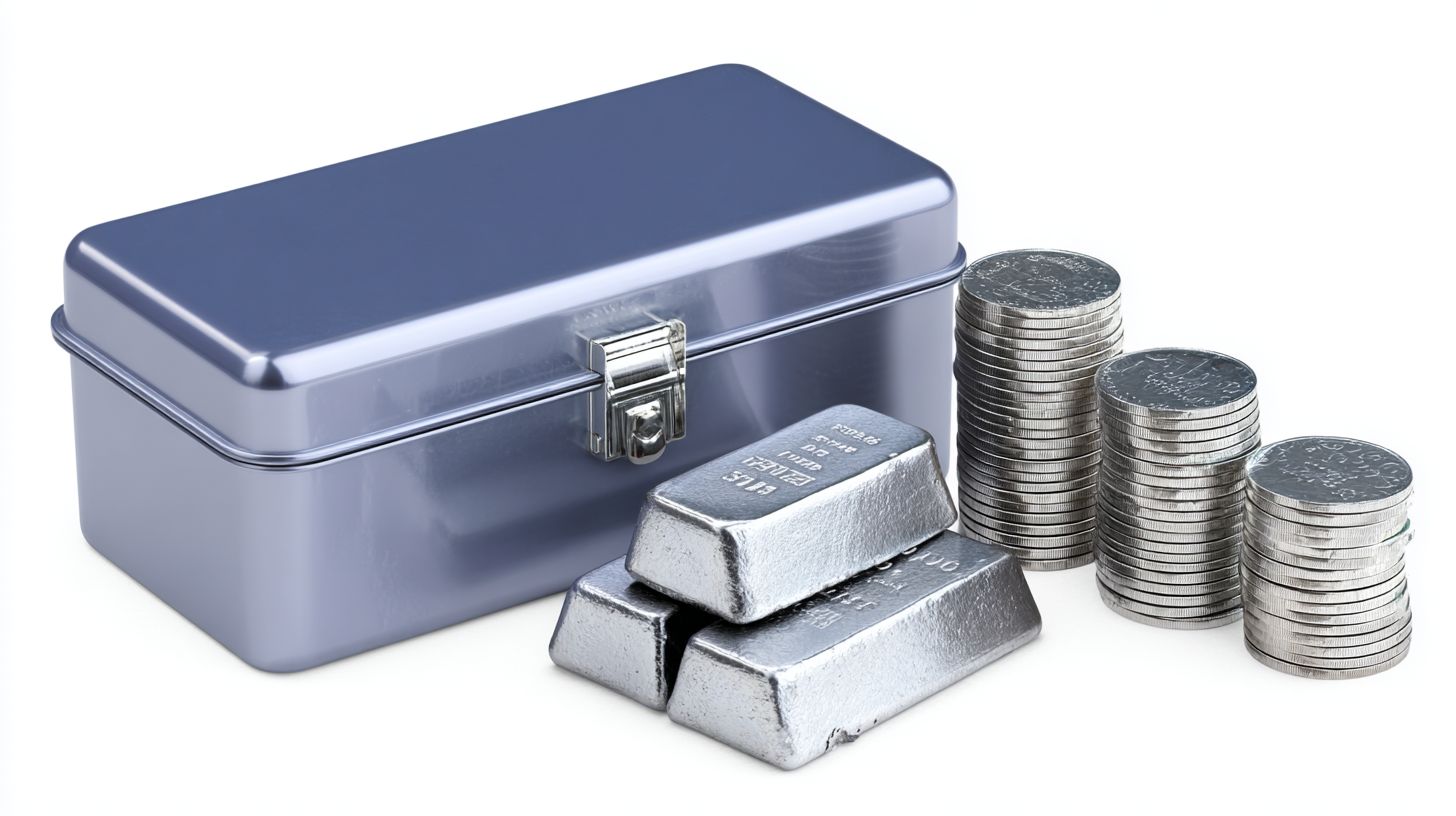
Investors can choose from various physical silver formats, each offering different balances of affordability, liquidity, and aesthetic appeal.
Silver bars appeal to those seeking low premiums and easy stacking for larger holdings. They provide direct ownership without counterparty risk, making them a tangible asset for wealth preservation.
Silver coins and rounds offer high liquidity and recognizable designs, ideal for quick sales during market turmoil. Collectors may prefer them for added numismatic value alongside spot price exposure.
Selection depends on your goals, such as portfolio diversification or inflation hedge. Consider storage options like home safes or private vaults early to match your investment strategy.
Bullion Bars and Coins
Bullion bars and coins provide the most direct exposure to silver’s spot price with minimal purchase premium over melt value.
These forms minimize fees and ensure real ownership of precious metals. Bars suit bulk purchases, while coins offer easy liquidity for smaller transactions.
Recommended sizes include 1oz coins for portability and 10oz bars for value density. Always verify authenticity to avoid counterfeits.
Pros and cons vary by type, as shown below. Use this comparison to align with your needs for liquidity or stackability.
| Type | Pros | Cons | Best For | Recommended Sizes |
|---|---|---|---|---|
| Silver Bars | Low premiums, stackable, high purity | Lower liquidity than coins, less recognizable | Bulk storage, long-term holding | 10oz, 100oz |
| Silver Coins | High liquidity, government mint recognition, buyback guarantee | Higher premiums, potential tarnish | Quick sales, portfolio diversification | 1oz |
| Silver Rounds | Affordable entry, private mint variety, no fees like coins | Less liquidity, variable recognition | Beginners, aesthetic appeal | 1oz |
Bars excel in low premiums for cost efficiency, while coins provide superior liquidity. Rounds serve as an affordable entry for new investors building a safe haven.
How to Buy Physical Silver Safely
Purchasing physical silver requires careful steps to ensure authenticity, fair pricing, and secure delivery. Start by understanding the types of silver bullion available, such as silver bars, silver coins, and silver rounds. These tangible assets offer direct ownership without counterparty risk.
Next, research current spot price movements to time your purchase wisely during market turmoil. Compare options from online dealers and local shops for the best low premiums. Always prioritize high liquidity items like standard silver eagles for easy liquidity later.
Secure your purchase with safe transport methods and plan for safe storage options right away. Home safes work for small amounts, but consider private vaults for larger holdings to minimize theft risk. Verify all details before finalizing to protect your investment portfolio.
Local dealers often provide hands-on advice and immediate possession, reducing shipping concerns. Places like DEIGOLDANDSILVERCOINS in Santa Clara offer Physical Gold and silver with personal service. This approach builds trust and supports portfolio diversification into precious metals.
Vetting Reputable Dealers
Choose dealers with proven track records to avoid counterfeits and excessive markups on physical silver. Look for those handling LBMA-approved products to ensure quality silver bars and coins. A solid reputation means reliable buyback options down the line.
Follow these steps to vet dealers properly:
- Check BBB ratings and customer reviews for complaints about delivery or authenticity issues.
- Verify they offer LBMA-approved products, which guarantees purity standards for silver bullion.
- Compare premiums to spot price across multiple sellers to spot fair deals without hidden costs.
- Confirm a strong buyback guarantee, ensuring you can sell back at competitive rates.
- Visit local options like DEIGOLDANDSILVERCOINS for in-person inspections and trusted service.
A common mistake is chasing the lowest price without verification, leading to fake silver rounds or high purchase premiums. Experts recommend balancing cost with dealer reliability, especially trusted ones like DEIGOLDANDSILVERCOINS in Santa Clara, for long-term wealth preservation. This protects against scams in the precious metals market.
Once vetted, ask about storage security and insurance coverage for your silver. Reputable dealers often guide on tarnish prevention and legal compliance for transport silver. Building a relationship ensures smooth transactions for future buys in gold silver assets.
Secure Storage Solutions
Proper storage protects your physical silver investment from theft risk while maintaining easy liquidity when needed. Choosing the right safe storage option like LBMA-approved facilities ensures real ownership without counterparty risk. This keeps your silver bars and silver coins as a tangible asset ready for spot price sales.
Home safes offer quick access for small stacks. Professional depositories provide segregated storage for larger holdings. Both avoid the pitfalls of paper silver or digital assets exposed to market turmoil.
Consider your total investment size and access needs. For stacks under a few thousand dollars, home options work well with low premiums. Larger portfolios benefit from vault storage to support wealth preservation and portfolio diversification.
Direct ownership means no middleman delays during sales, unlike silver ETF or crypto like Bitcoin and Ethereum. Pair storage with estate planning for seamless transfer. This setup turns physical silver into a reliable inflation hedge alongside physical gold.
Home Safes vs. Depositories
Storage choices range from convenient home safes to professional depositories, each balancing accessibility, security, and cost. Home setups suit modest collections of silver bullion. Depositories excel for significant holdings needing climate control and insurance coverage.
Evaluate theft risk and liquidity needs first. Home safes allow instant access during high liquidity demand. Depositories ensure storage security for stacks over $10K with buyback guarantee options.
Use a comparison table to weigh key factors. This helps decide between no fees at home or professional tarnish prevention in vaults. Focus on legal compliance and transport silver ease for your situation.
| Feature | Home Safes | Bank Boxes | Private Vaults |
|---|---|---|---|
| Access Speed | Immediate | Business hours only | Scheduled, often same-day |
| Annual Fees | None after purchase | Moderate rental fees | Percentage of value |
| Theft Risk | Higher, relies on home security | Moderate, limited bank insurance | Low, professional guards |
| Insurance | Personal policy needed | Bank covers up to limits | Full coverage included |
| Storage Type | Non-segregated | Commingled possible | Segregated, allocated |
| Climate Control | Basic | Standard | Advanced tarnish prevention |
For serious investors, private vaults minimize counterparty risk with segregated storage. They support high liquidity and numismatic value preservation for silver rounds. This choice enhances your safe haven during economic shifts.
Common Silver Investment Mistakes
Even experienced investors stumble on predictable pitfalls when building physical silver positions. These errors can erode returns and expose holdings to unnecessary risks. Understanding them helps protect your wealth preservation strategy.
Silver bullion offers direct ownership and low counterparty risk, but mistakes like overlooking premiums or poor storage undermine its value as a tangible asset. Investors often chase short-term gains without planning for long-term holding. Awareness of these issues promotes smarter decisions in precious metals investing.
Common oversights include ignoring market dynamics and failing to diversify beyond silver bars or coins. Proper education on spot price and premiums ensures high liquidity and affordable entry. Below are key mistakes with practical solutions to avoid them.
- Ignoring premiums: Many buy from the first dealer without comparing, paying excessive markups over spot price. Shop multiple dealers for low premiums on silver bars or silver coins, and look for buyback guarantees to ensure easy liquidity.
- Poor storage: Leaving silver in unsecured spots invites theft risk. Opt for safe storage like home safes, private vaults, or bank deposits with segregated storage and insurance coverage.
- Chasing numismatics without understanding: Collectors grab rare coins for aesthetic appeal or numismatic value, ignoring liquidity issues. Stick to standard silver rounds or bullion unless you grasp premiums and market demand.
- Neglecting diversification: Overloading on physical silver skips balance in your investment portfolio. Combine it with physical gold or other assets as an inflation hedge and safe haven during market turmoil.
- Panic selling: Emotional sales during dips lock in losses on your tangible asset. Hold for the long term, focusing on silver’s role in portfolio diversification and real ownership without ongoing fees.
- Skipping climate control: Exposure causes tarnish on silver bars and coins. Choose storage options with climate control and tarnish prevention for maintained value.
- Ignoring estate planning: Without clear plans, heirs face legal compliance hurdles. Document holdings and storage details for smooth transfer of your silver investment.
Tax Implications and Reporting
Understanding tax treatment ensures your physical silver investment supports efficient wealth preservation and transfer. When you sell silver bars or silver coins, profits qualify as capital gains. These gains receive favorable long-term rates if you hold the assets over one year.
Short-term sales trigger ordinary income tax rates. Track your purchase price, known as the cost basis, against the spot price at sale to calculate gains accurately. For example, buying silver bullion at a low premium and selling during market turmoil can yield taxable profits.
Reporting requirements apply to large purchases over certain thresholds. File Form 8300 for transactions exceeding ten thousand dollars in cash. This promotes legal compliance and avoids penalties with the IRS.
Estate planning integrates physical silver into your will for smooth transfer. Consult a Santa Clara estate lawyer or dealers like DEIGOLDANDSILVERCOINS to name beneficiaries and minimize taxes. This disclaimer notes the content is not tax advice; seek professional guidance.