
You’re building a balanced portfolio and wondering how gold fits in, right? The World Gold Council says it boosts diversification with low ties to stocks and bonds.
Track the gold price. Match allocation to your risk tolerance.
Understanding Gold as an Asset Class

Gold shines among precious metals. It acts as a real asset unlike stocks or bonds.
Gold gets value from scarcity, not company growth. It becomes a safe haven in tough times.
Gold stores value and fights inflation. Fiat money weakens, but gold protects your wealth.
Treasury bonds or CDs pay steady interest. Yet rising prices eat them away.
Gold adds diversification to your balanced portfolio. It balances other assets perfectly.
In market drops or global tensions, grab gold. It holds value better than growth stocks.
Match it to your risk tolerance and retirement goals. Gold thrives through economic cycles.
History proves gold’s stability vs S&P 500 index funds. Add it now for long-term wins.
Physical vs. Paper Gold
Choose physical gold like bars or coins. Or pick paper gold tracking LBMA gold price or ICE benchmark.
Physical gold needs vaults for safety. Paper gold via ETFs or futures skips the hassle.
Physical gold avoids counterparty risk. But watch premiums and insurance costs.
Try 1-ounce Gold Eagles in a safe. Paper gold offers quick trades on commodity markets.
Start with paper gold if you’re new. Skip storage woes and jump on price swings.
Weigh volatility and opportunity costs. Fit it into your tax-advantaged IRA.
| Criteria | Physical Gold | Paper Gold |
|---|---|---|
| Costs | Dealer premiums, storage, insurance | Management fees, trading spreads |
| Accessibility | Requires secure storage or dealers | Easy via brokerage accounts |
| Liquidity | Slower sales, potential discounts | High, trades like stocks |
| Counterparty Risk | None (direct ownership) | Exists with issuers or funds |
| Security Needs | Vaults, safes, or allocated storage | SIPC insurance for some products |
This table shows key trade-offs. Pick what fits your risk tolerance.
Pair gold with annuities. Use World Gold Council insights for guidance.
Historical Performance of Gold
Gold prices over decades show tough resilience. The World Gold Council tracks it all.
Gold saves value when stocks crash. It beats S&P 500 in bad times as an inflation hedge.
In 1980s high inflation, gold soared. In 2022 volatility, it drew crowds seeking safety.
Key Periods of Outperformance
Gold crushes it in crises like 1980s inflation and 2022 chaos. It moves against other assets.
After 2008 crash, gold boomed in slow recovery. Geopolitics spiked precious metals demand.
- 1970s stagflation: Gold surged with oil shocks.
- 2011 Euro crisis: Hedged debt fears.
- 2020 pandemic: Beat CDs and annuities.
Check World Gold Council charts now. See gold vs index funds for your retirement plan.
Gold’s Role in Diversification
Gold supercharges your balanced portfolio. It zigzags differently from stocks and bonds.
Assets don’t all crash together. Gold rises when stocks tank, slashing your risk.
Gold fights inflation in wild economic cycles. It outshines lagging bonds or CDs.
Add gold to index funds for retirement. Use ETFs in your IRA for easy gains.
Low Correlation with Stocks and Bonds
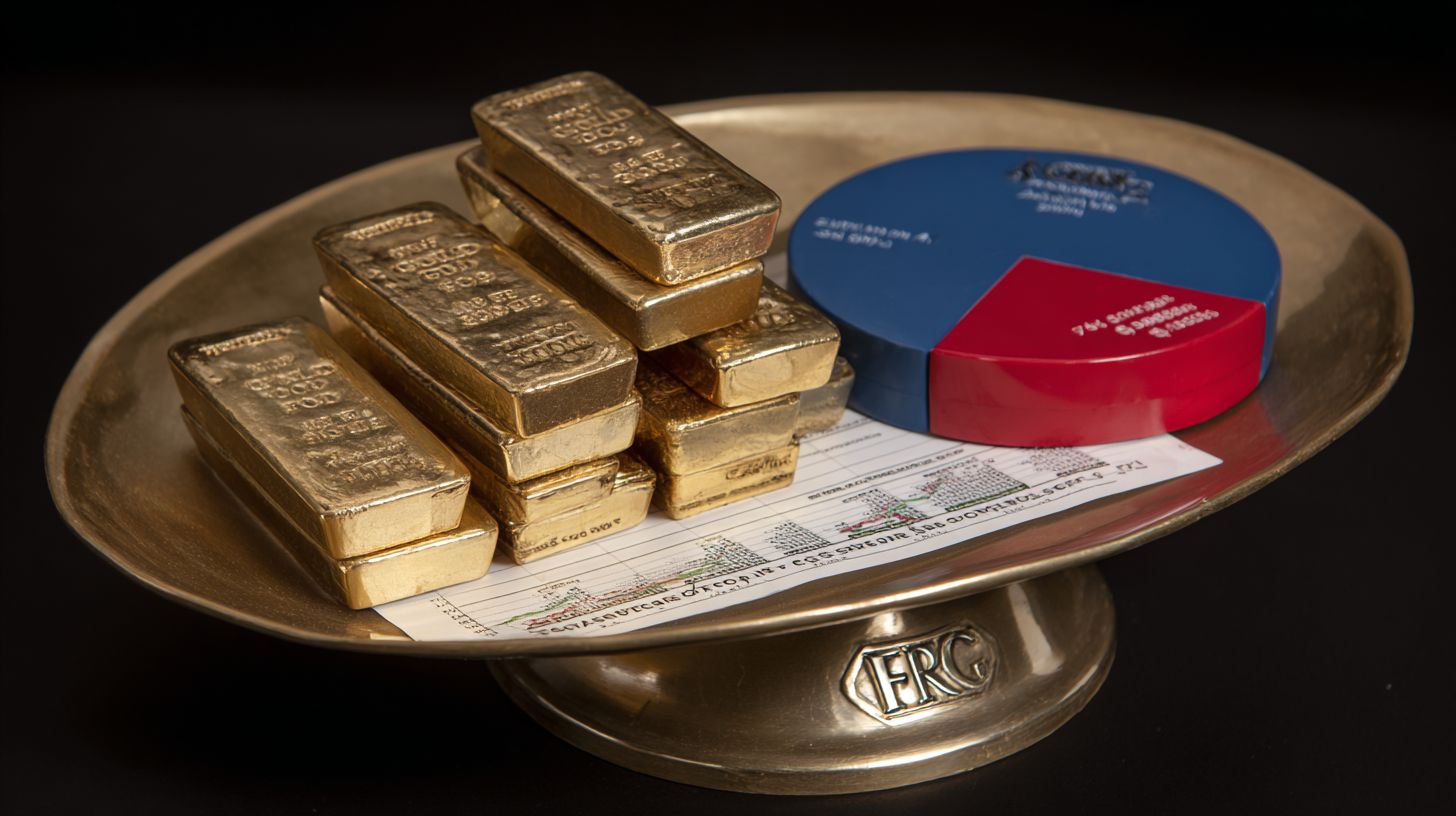
Gold barely moves with S&P 500 or treasury bonds. Low correlation means big wins in crashes.
Correlation shows linked moves. Low numbers mean gold dances alone.
In 2022 S&P drop, gold stood strong. It balanced falling stocks and bonds.
| Period | Gold | S&P 500 | Treasury Bonds |
|---|---|---|---|
| Market Boom | Steady gains | Big rises | Stable |
| 2022 Crash | Rock solid | Plunged | Fell hard |
| Inflation Surge | Soared high | Wild swings | Rate pain |
Test it with Portfolio Visualizer tools. Chat with a financial advisor for your fit.
Hedging Against Inflation
Gold guards your purchasing power from inflation. CDs and annuities can’t keep up.
Grocery bills double fast. Cash and bonds shrink, but gold climbs with prices.
Bonds pay fixed rates that flop in inflation. Gold shields you like a boss.
Oxford Economics backs gold in hot economic cycles. Buy ETFs when signals flash.
Gold Shields You in 2024 Market Crises: Morgan Stanley & Oxford Economics Say So
Gold shines in panic sells. It holds intrinsic value beyond stocks.
In crises, gold hedges inflation too. Stocks and bonds flop, gold anchors.
Gold beats S&P-tied ETFs in uncertainty. Go physical or LBMA gold for max protection.
Check portfolio when VIX spikes. Tweak with pro help for stability.
Behavior in Recessions and Crashes
Recessions send cash to gold. In 2008 crisis, prices rocketed.
2020 flash crash? S&P 500 tanked, gold balanced it.
Buy when VIX tops 30. Use IRA for tax smarts.
Optimal Gold Allocation Strategies
Gold amount fits your risk tolerance and timeline. Short-term? Load up for safety.
Long-term growth? Mix with S&P 500. Chat advisor for your IRA plan.
This content is for educational purposes only and not investment advice. Consult a financial advisor for personalized guidance.
Modern Portfolio Theory shows how precious metals like gold cut portfolio volatility. Mix gold with bonds or CDs to balance risks and grab opportunities.
Gold price trends are hard to predict. Factors like LBMA gold and ICE benchmarks play a big role.
Precious metals like gold pair well with growth stocks like Nvidia. They shine during market dips, alongside blue-chip dividend stocks.
Experts from the World Gold Council, Oxford Economics, and Morgan Stanley praise gold’s true value. Past results don’t promise future gains.
Portfolio Allocation Statistics Featuring Qaurum Gold
#wv93lxgb.bar-container { position: relative; overflow: visible!important; } #wv93lxgb.bar-value { position: absolute!important; left: 50%!important; top: 50%!important; transform: translate(-50%, -50%)!important; color: white!important; font-weight: 700!important; font-size: 14px!important; white-space: nowrap!important; background: rgba(0, 0, 0, 0.7)!important; padding: 4px 12px!important; border-radius: 20px!important; z-index: 30!important; text-shadow: 0 1px 2px rgba(0, 0, 0, 0.3)!important; pointer-events: none!important; display: inline-block!important; } #wv93lxgb.animated-bar { z-index: 1!important; } @media (max-width: 768px) { #wv93lxgb { padding: 16px!important; } #wv93lxgb h2 { font-size: 24px!important; } #wv93lxgb h4 { font-size: 16px!important; } #wv93lxgb.bar-label { font-size: 12px!important; } #wv93lxgb.metric-card { padding: 20px!important; } #wv93lxgb.bar-value { font-size: 13px!important; padding: 3px 10px!important; } } @media (max-width: 480px) { #wv93lxgb { padding: 12px!important; } #wv93lxgb h2 { font-size: 20px!important; } #wv93lxgb h4 { font-size: 14px!important; } #wv93lxgb.bar-label { font-size: 11px!important; margin-bottom: 6px!important; } #wv93lxgb.bar-value { font-size: 12px!important; padding: 2px 8px!important; min-width: 45px!important; text-align: center!important; } #wv93lxgb.bar-container { height: 36px!important; overflow: visible!important; } }
Exciting Portfolio Stats: Gold & Precious Metals Boost Returns!

Key Portfolio Allocation Stats – Act Now!
(function() { setTimeout(function() { var bars = document.querySelectorAll(‘[class*=”animated-bar-wv93lxgb”]’); bars.forEach(function(bar) { var width = bar.getAttribute(‘data-width’); if (width) { bar.style.width = width + ‘%’; } }); }, 100); })();
Check these stats from the World Gold Council and LBMA Gold Price by ICE. They show smart asset mixes across markets and regions.
Portfolios put 85% in Equity Small Caps (SCB), like Nvidia. This chases big growth despite ups and downs.
15% goes to Equity Large Caps (LCB) for steady dividends and less risk.
- Developed Markets (DEV) at 90%: Focus on stable economies like the U.S. and Europe minimizes geopolitical risks and currency fluctuations.
- Emerging Markets (EM) at 10%: Small exposure captures high-reward opportunities in developing regions.
This mix fuels growth while keeping things steady. Gold acts as a top hedge against inflation – check the Gold Valuation Framework from Metals Focus and Oxford Economics.
Watch the S&P 500, Treasurys, CDs, and annuities closely for peak results!
Gold % Recommendations by Risk Level – Morgan Stanley Insights via Qaurum (Member SIPC)
Conservative folks? Load up on gold for rock-solid stability. Aggressive types? Use gold lightly to spread risk.
Risk matches your age, goals, and volatility tolerance. These tips follow Modern Portfolio Theory – not personal advice.
Young go-getters aiming for early retirement cap gold. This boosts stocks in mutual funds or ETFs.
Near retirees? Pair gold with annuities for max protection. Talk to an advisor for your perfect plan!
| Risk Profile | Typical Goals | Age Range Example | Gold Role |
|---|---|---|---|
| Conservative | Capital preservation, steady income | Over 60 | Safe haven with fixed income |
| Moderate | Balanced growth, retirement planning | 40-60 | Inflation hedge in tax-advantaged IRA |
| Aggressive | High growth, wealth building | Under 40 | Diversifier with stocks and index funds |
This table kickstarts your precious metals portfolio strategy.
Moderate investors love gold ETFs tracking commodity prices. They’re protected by SIPC insurance. Talk to pros for your perfect fit. Past results don’t guarantee future wins.
Investment Vehicles for Gold Exposure
Grab gold exposure through various investment vehicles. Options range from physical gold to ETFs and mutual funds, per Metals Focus data.
Pick what fits your risk level, goals, liquidity, and storage needs.
- Physical gold: Bars and coins give direct ownership as a safe haven.
- ETFs like GLD track gold prices. No need to handle metal.
- Mining stocks and futures: Leveraged bets on precious metals.
Each option brings its own volatility and costs.
Beginners: Go for simple ETFs. Pros: Dive into futures. Weigh opportunity costs against stocks or treasury bonds.
Chat with a financial advisor. Match gold to your retirement plans and economic shifts.
This is educational info only. Not personal advice.
Comparison Table of Gold Investment Options
| Vehicle | Typical Fees | Liquidity | Minimum Investment |
|---|---|---|---|
| Physical Gold (bars/coins) | Storage and insurance costs | Lower, requires dealer | Small amounts possible |
| ETFs (e.g., GLD) | Low expense ratios | High, trades like stocks | Share price |
| Mining Stocks | Trading commissions | High, stock exchanges | Share price |
| Futures Contracts | Commissions and margins | Very high, daily settlement | High margin requirements |
Pros and Cons of Each Option
Physical gold gives real ownership. It fights inflation.
- Pros: No counterparty risk.
- Cons: Storage fees, low liquidity.
Perfect for long-term holders chasing true value.
Gold ETFs track the LBMA Gold Price. Enjoy SIPC insurance in brokerage accounts.
- Pros: Easy diversification.
- Cons: Management fees.
Pair with S&P 500 index funds for balance.
- Mining stocks: Pros are potential dividends like blue-chip dividend plays and growth tied to production. Cons include company-specific risks beyond gold prices.
- Futures: Pros offer high leverage in commodity markets, even compared to Nvidia volatility. Cons feature high volatility and expiration risks, best for advanced users.
Recommendations by Investor Type

Conservative folks love fixed income or CDs.
Grab physical gold or ETFs in a tax-advantaged IRA. Cut market drop risks. Boost diversification now!
Thrill-seeking traders: Pick mining stocks or futures.
Score big returns in economic ups and downs. Balance with growth stocks, say Oxford Economics, Morgan Stanley experts.
Retirees: Choose low-fee ETFs over annuities for metals.
Check past performance carefully. Future gold predictions are iffy. Matches World Gold Council balance advice.
Risks and Drawbacks of Gold
Gold shines, but watch price swings and missed gains from growth assets.
No dividends or interest like stocks or blue-chip payers. You skip that income.
Physical gold? Storage and insurance cost extra.
- Vault fees add up.
- SIPC doesn’t cover everything.
These eat profits when prices stall.
Gold prices swing with commodities and economies.
No business growth like S&P 500 firms. Limit it to match your risk and retirement goals, experts say.
Volatility and Market Swings
Global events jolt gold prices. It hedges inflation but can crash hard.
Safe in chaos, yet reversals hit fast. Like World Gold Council tracks in metals.
Recent LBMA Gold Price and ICE swings prove it.
Mutual funds and ETFs amplify drops in tough markets. Mix with index funds to steady the ride.
Control volatility: Limit gold to a small slice with fixed income.
See a financial advisor for diversification. Past performance? No future promise.
Opportunity Costs and No Income
Gold holding skips growth stock or annuity returns. That’s opportunity cost.
It saves value in dips, but stocks bounce back harder. Weigh for long-term wealth.
In tax-advantaged IRAs, gold rivals Treasurys.
No coupons or dividends-just price hopes. Blend with yield assets for steady growth, research says.
- Review gold allocation in economic shifts.
- Limit it to balance, not lead.
- Stay diversified. Avoid drag from no-yield assets.
Modern Portfolio Theory Perspective
Modern Portfolio Theory (MPT) boosts gold’s role in balanced portfolios. Harry Markowitz created it.
MPT mixes assets for top returns at your risk level. The efficient frontier graphs ideal portfolios. Gold diversifies well.
The efficient frontier shows best-return portfolios per risk level.
Pick your spot to fit your risk tolerance. Gold adds low correlation to stocks and bonds. It diversifies powerfully.
Gold cuts risk without killing returns. It dances apart from S&P 500 or treasury bonds.
In crashes and cycles, it’s your safe haven and inflation fighter. Add physical gold or ETFs to tame growth stock swings.
Past performance guides but doesn’t predict.
Gold forecasts carry uncertainty like volatility and opportunity costs. Consult an advisor for your retirement or IRA plan.
Educational only-not advice.